Bedbugs
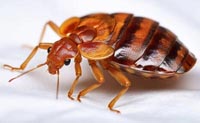
Ernie’s Pest Control does not use and does not recommend Heat Treatment for bed bugs. While heat treatments rapidly kill all bed bug life stages by raising room temperatures to lethal levels, major drawbacks exist.
Drawbacks of Heat Treatment
High Upfront Cost
Thermal remediation is labor-intensive and requires highly specialized equipment. Depending on the size of your home, professional treatments generally run anywhere from $1,200 to upwards of $5,000, often making it double or triple the cost of traditional chemical treatments.
No Residual Protection
Unlike chemical treatments, heat offers no lasting barrier once the equipment is removed. If a single bug is missed, survives in a cold spot, or is reintroduced later via luggage or visitors, the infestation can immediately restart.
Risk of Bugs Escaping
Bed bugs are incredibly mobile and actively sense temperature changes. As the room gets uncomfortably hot, they may flee into cooler, insulated areas like wall voids, electrical outlets, or neighboring apartments. Once the heat dissipates, they can emerge again.
Property Damage and Preparation
Preparing a home for heat treatment is a massive task. You must remove or protect heat-sensitive items—such as aerosol cans, vinyl records, candles, wax, medications, and certain electronics—to prevent melting or degradation. Excessive heat can also warp wood floors, melt plastic baseboards, and damage delicate artwork.
Ineffective in Poorly Insulated Spaces
In areas like thin-walled trailers, spaces with drop ceilings, or rooms with poor insulation, it can be physically impossible for the heaters to maintain a constant, lethal temperature (usually 120 degrees fahrenheit to 150 degrees fahrenheit) throughout every single nook and cranny.
Because of these drawbacks, Thermal Remediation is often only a short term solution and then requires a follow up chemical treatment to totally eliminate the pests.
Roaches
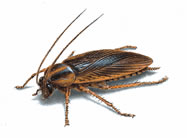
Cockroaches are highly resilient, nocturnal insects often found in warm, moist and dark areas, feeding on various organic materials. They can live for around 6–8 months, go without food for a month, but only survive a week without water. Known for carrying pathogens, they trigger asthma, aggravate allergies, and can survive decapitation for weeks.
Bees and Wasps
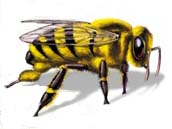
Bees can be highly destructive and dangerous. A bees nest in or near your home can pose a threat to the welfare of your children. Small children can become fascinated and disturb the bees nest, at which time they will attack.
Carpenter bees can burrow in your walls and do damage to the structure of your home as well as being a health threat. If you stumble on a nest and accidentally threaten the nesting bees, they will swarm, otherwise bees will keep to themselves. Only professional pest control technicians and professional bee keepers should handle them, please don’t try to do this yourself.